
Homs University, Syrian Arab Republic
Abstract:
Electrospinning is a simple and effective method to obtain nanofibers with distinctive properties such as large surface area to weight and high porosity, which make them attractive for many applications. In this research, electrospinning technology was used to obtain nano non-woven mats using acrylic nanofibers (PAN) with copper oxide nanoparticles to improve the moisture absorption of the acrylonitrile polymer. CuO NPs were prepared and characterized. It was found that the average diameter of the particles is 28.5 nm. 6% polyacrylonitrile solution was prepared in a 50/50 mixture of acetone and dimethylformamide to produce nano non-woven mats. The nanoparticles were added to the polymer solution at several concentrations (0.25, 0.5, 1%). Samples were then prepared using an electrospinning device. In the end, 4 nano mats were obtained. They were characterized using a scanning electron microscope. It was shown that the diameters of nanofibers increased with increasing copper oxide concentration in the polymeric solution. Then, several tests were carried out to measure the ability of the prepared non-woven mats to absorb moisture, including measuring drop contact angle and absorption capacity test. After recording the results and comparing the samples, it was concluded that by increasing the concentration of CuO NPs, the absorbance improves significantly compared to the reference sample. Resulted non-woven mats can be used in applications that benefit the field of textiles and nonwovens by investing in acrylic exhaust, thus achieving an impact in the field of environmental protection with sustainable nanofibers as well as supporting the industry at the same time.
Biography:
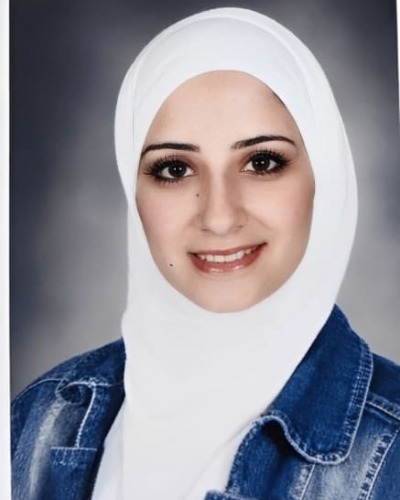
• Current Roles: Head of the Textile Engineering Department at Homs University in Syria. Supervisor of the Nanofibers Lab at Homs University and Nanotechnology Laboratory at the National Center for the Distinguished (NCD) in Homs.
• Academic Rank: Assistant Professor / PhD holder.
• Primary Institution: Faculty of Chemical and Petroleum Engineering, Homs University.
Dr. Tuhmaz works at the intersection of:
Nanotechnology & Nanofibers: Advanced development of electrospun fibers and green electrospinning methods designed to preserve the environment.
Smart Textiles & Biomedical Applications: Engineering conductive technical fabrics, flexible strain sensors for smart applications, and biomaterials.
Artificial Intelligence: Utilizing artificial neural networks and fuzzy logic systems to model and predict the properties of nanomaterials.
© 2026 Mathews International LLC. All rights reserved.
