
Abstract:
Nanotechnology has emerged as a transformative approach in biomedical science, offering innovative solutions for the design and development of advanced biomedical materials. By manipulating materials at the nanoscale, unique physicochemical properties such as high surface area, enhanced reactivity, tunable mechanical strength, and improved biocompatibility can be achieved. These properties have enabled the development of sophisticated systems for targeted and controlled drug delivery, improving therapeutic efficacy while minimizing adverse effects. Nanostructured materials, including nanoparticles, nanofibers, nanocomposites, liposomes, and polymeric nanocarriers, have also demonstrated significant potential in tissue engineering by providing biomimetic scaffolds that support cell adhesion, proliferation, differentiation, and tissue regeneration. Furthermore, nanotechnology facilitates the incorporation of bioactive molecules, growth factors, and therapeutic agents into engineered materials, enabling controlled release and improved cellular responses. Despite these promising applications, challenges related to toxicity, biodegradability, long-term safety, scalability, regulatory approval, and reproducibility remain important considerations. This review highlights recent advances in nanotechnology-based biomedical materials, with particular emphasis on drug delivery and tissue engineering, and discusses their mechanisms, advantages, limitations, and future prospects. The integration of nanotechnology with biomaterials science is expected to contribute significantly to the development of safer, more effective, and personalized therapeutic and regenerative strategies.
Biography:
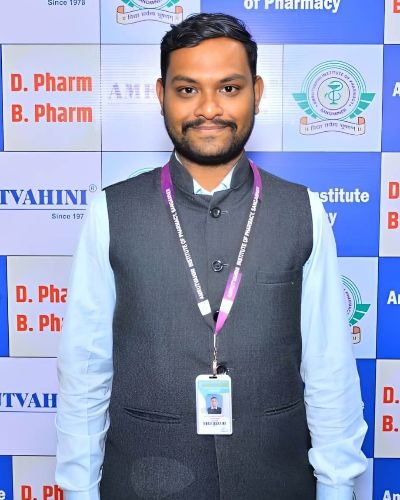
Mr. Ajay Nannar is a pharmaceutical educator, researcher, PhD Scholar, writer, and lifelong learner associated with Amrutvahini Institute of Pharmacy, Sangamner, Maharashtra. His professional interests lie at the intersection of pharmaceutical sciences, research, education, innovation, and scientific communication.
As a researcher, he has contributed to pharmaceutical and traditional-medicine literature, including research on Achras sapota Linn. and pharmaceutical formulation development. He is a registered pharmacist with the Maharashtra State Pharmacy Council and continues to pursue advanced academic and research interests.
Beyond academics, Ajay has a strong passion for creative writing, poetry, educational initiatives, and scientific communication. His literary achievements include recognition in state-level poetry and literary competitions. With a vision of connecting knowledge with creativity, he strives to inspire students, encourage research-oriented thinking, and contribute meaningfully to the evolving field of pharmacy.
© 2026 Mathews International LLC. All rights reserved.
